
Part 9
Food, Fasting, and Alcohol
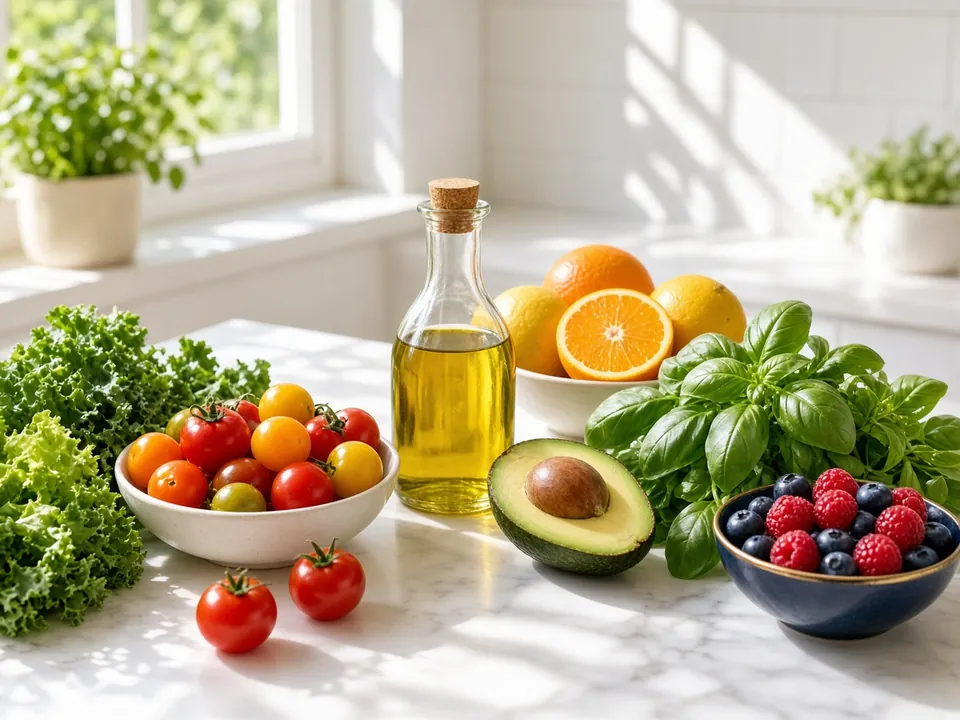
ILLUSTRATION. At dinner, one guest is vegan, another follows a carnivore diet, and a third has not eaten since yesterday. Each can quote a persuasive book. Their argument conceals a useful question: which parts of the advice rest on outcomes, which on markers, and which on a personal story? Agreement about avoiding tobacco and moving regularly will not settle every question on the plate.
Clinical scenes in this edition are explicitly labeled illustrations. They describe imagined situations used to explain medical decisions, not documented patients, diagnoses, conversations, or treatment outcomes. They should not be read as evidence that a particular intervention works. Personal recollections are recollections, not medical records.
Evidence grade (draft mapping). 14 questions; a question with mixed evidence counts under each grade.
Figure from the book · Q128
- 116. What is the single best diet for longevity?The Mediterranean pattern has the strongest evidence. It has unusually strong randomized evidence for reducing cardiovascular events.ARobust human trials
- 117. Plant-based or high-protein? The books contradict each other.They disagree less than it appears. Eat mostly plants, and get enough protein. You can do both.JClinical judgment / author synthesis
- 118. How much protein do I need?More than the official minimum, especially after 60. A good target is about half a gram to seven-tenths of a gram per pound of your goal body weight each day.GGuideline-based / consensus
- 119. Are ultra-processed foods really that harmful?Yes. They drive overeating, and diets high in them are tied to more obesity, diabetes, heart disease, and early death.CObservationalARobust human trials
- 120. Does intermittent fasting extend life?There is no evidence that it extends human life. It helps some people eat less. It is not superior to simply eating fewer calories.Grade pending
- 121. What is the fasting-mimicking diet?A five-day, low-calorie, plant-based program developed by Dr. Valter Longo, done a few times a year. Small trials show improved risk markers. Long-term results are unknown.BLimited or small human studies
- 122. Does eating fewer calories slow aging?In animals, clearly. In humans, modestly and at a cost.Grade pending
- 123. Is any amount of alcohol good for me?No. The old belief that a daily glass of wine protects the heart came from flawed studies. Less is better, and none is best for cancer risk.ARobust human trials
- 124. Is coffee good or bad?Good news. Two to four cups a day is consistently linked to lower risk of heart disease, diabetes, liver disease, Parkinson’s, and death.CObservational
- 125. Are seed oils toxic? Is saturated fat fine now?No, and no. Seed oils are not poison, and saturated fat still raises LDL cholesterol.GGuideline-based / consensus
- 126. How much fiber do I need?At least 25 to 35 grams a day. Most Americans get about 15.CObservational
- 127. What does a longevity day of eating look like?Protein and fiber at every meal, color on every plate, and nothing from a drive-through window.GGuideline-based / consensus
- 128. How do you tell patients to build a plate?Half plants, a quarter protein, a quarter whole grains or beans, and about a tablespoon of olive oil.JClinical judgment / author synthesis
- 129. What about multi-day water fasts?A fast of two or three days produces real metabolic changes, and some people feel better for it. It has not been shown to extend life, and it is not safe for everyone.BLimited or small human studies