
Question 134 of 433
What happened to Okinawa?
The short answer
It lost much of its advantage within two generations, as fast food and cars arrived.
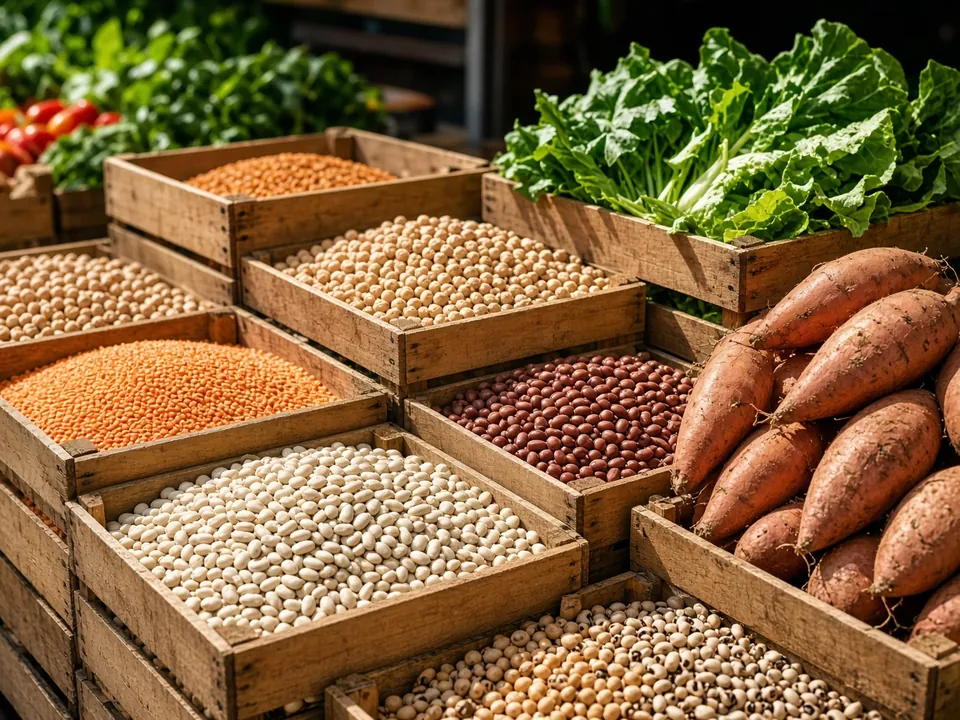
Older Okinawans who grew up on sweet potatoes, vegetables, tofu, and constant movement are still remarkably healthy. Younger Okinawans now have some of the highest obesity rates in Japan. The change across generations suggests that environment matters greatly. It does not separate every contribution of genes, health care, and social conditions.
“This book is for education. It is not medical advice, and reading it does not make you my patient or create a doctor-patient relationship.” From the book’s medical disclaimer. Full disclaimer
OBSERVATIONAL — Generational health changes in Okinawa; environmental contribution is plausible, not isolated experimentally.Evidence grade (draft mapping)CObservationalPart 10, Q134 · Part sources
From Longevity Unmasked by Afshine Ash Emrani, MD, FACC. Medical disclaimer. This book is for education. It is not medical advice, and reading it does not make you my patient or create a doctor-patient relationship. Nothing here is meant to diagnose, treat, cure, or prevent any disease. Medicine is personal: a test, drug, supplement, or exercise plan that helps one person can harm another. Do not start, stop, or change any medication or treatment because of something you read in these pages. Talk with a licensed clinician who knows your history first. If you think you are having a medical emergency, call 911. The author disclaims responsibility for any loss or harm arising from use of the information in this book.