
Question 113 of 433
What if I cannot tolerate CPAP?
The short answer
There are good alternatives: a dental device, weight loss, positional therapy, a weight-loss medicine, an implanted nerve stimulator, and in some cases surgery.
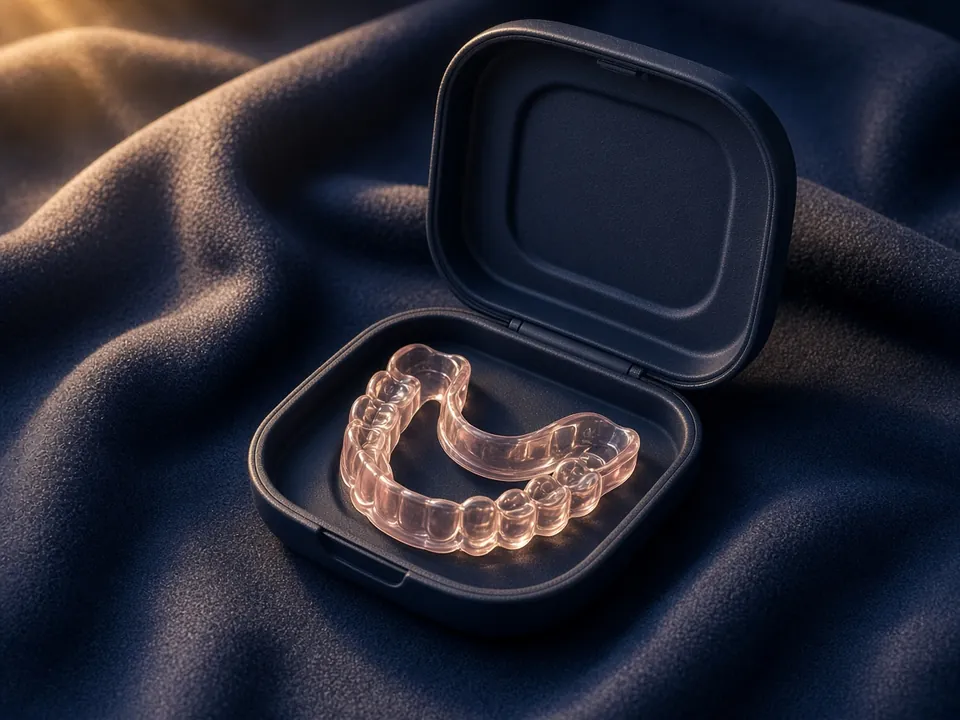
Oral appliances made by a dentist move the lower jaw forward. They work well for mild to moderate apnea.
Weight loss helps substantially. Losing 10 percent of body weight can cut the number of breathing pauses by a quarter or more.
Tirzepatide became the first medicine approved for sleep apnea in people with obesity, in late 2024. In its trials it reduced breathing pauses by roughly half to nearly two-thirds.
Sleeping on your side helps people whose apnea is worst on their back.
A hypoglossal nerve stimulator is a small implant that moves the tongue forward with each breath.
Avoiding alcohol and sedatives in the evening matters, because both relax the throat.
“This book is for education. It is not medical advice, and reading it does not make you my patient or create a doctor-patient relationship.” From the book’s medical disclaimer. Full disclaimer
HUMAN TRIALS — Selected apnea patients: alternatives improve breathing indices or symptoms; eligibility differs by intervention.Evidence grade (draft mapping)Grade pendingPart 8, Q113 · Part sources
From Longevity Unmasked by Afshine Ash Emrani, MD, FACC. Medical disclaimer. This book is for education. It is not medical advice, and reading it does not make you my patient or create a doctor-patient relationship. Nothing here is meant to diagnose, treat, cure, or prevent any disease. Medicine is personal: a test, drug, supplement, or exercise plan that helps one person can harm another. Do not start, stop, or change any medication or treatment because of something you read in these pages. Talk with a licensed clinician who knows your history first. If you think you are having a medical emergency, call 911. The author disclaims responsibility for any loss or harm arising from use of the information in this book.