
Question 112 of 433
Does CPAP actually help?
The short answer
Yes for symptoms, blood pressure, and quality of life. The evidence that it prevents heart attacks and strokes is weaker than we expected, probably because many people in the trials used it only a few hours a night.
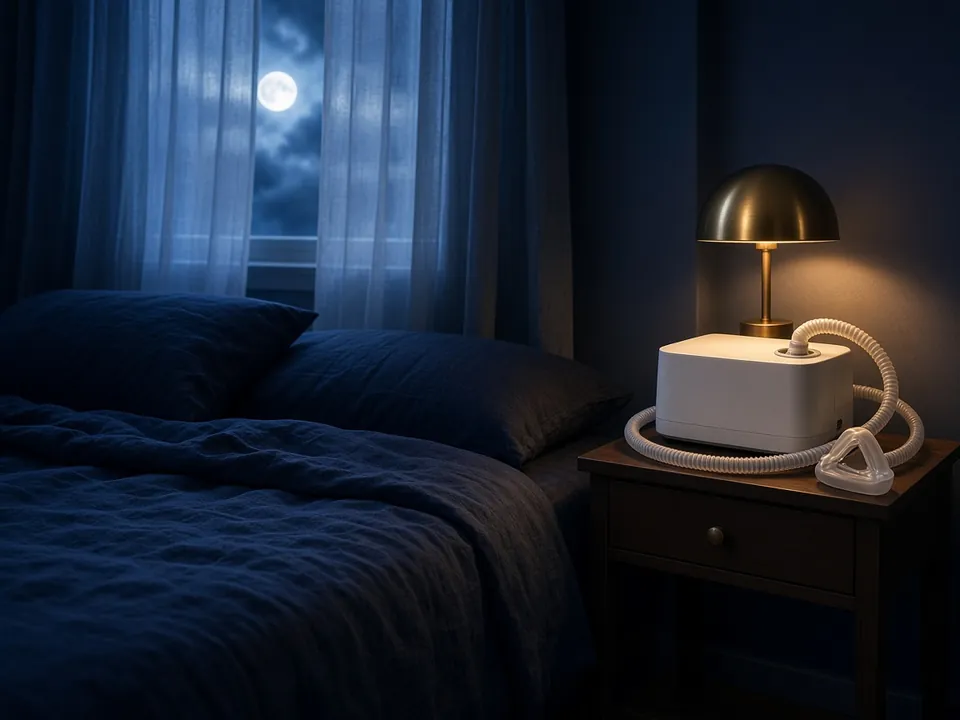
CPAP is a small bedside machine that blows gentle air pressure through a mask to hold the airway open. People who use it most of the night often describe the change as dramatic: energy, mood, and concentration return. Blood pressure falls. In the largest trial, however, CPAP did not reduce heart events overall, and average use was just over three hours a night. Those who used it more than four hours appeared to do better.
Adherence matters for symptom benefit. Analyses of more-adherent users do not by themselves prove that CPAP prevents cardiovascular events. Modern machines are quiet and masks are far more comfortable than they were. If the first mask does not suit you, try another before giving up. Needing a CPAP is not a personality failure. It is anatomy.
“This book is for education. It is not medical advice, and reading it does not make you my patient or create a doctor-patient relationship.” From the book’s medical disclaimer. Full disclaimer
ROBUST HUMAN TRIALS for apnea symptoms and modest BP effects; cardiovascular-event prevention remains uncertain overall.Evidence grade (draft mapping)ARobust human trialsPart 8, Q112 · Part sources
From Longevity Unmasked by Afshine Ash Emrani, MD, FACC. Medical disclaimer. This book is for education. It is not medical advice, and reading it does not make you my patient or create a doctor-patient relationship. Nothing here is meant to diagnose, treat, cure, or prevent any disease. Medicine is personal: a test, drug, supplement, or exercise plan that helps one person can harm another. Do not start, stop, or change any medication or treatment because of something you read in these pages. Talk with a licensed clinician who knows your history first. If you think you are having a medical emergency, call 911. The author disclaims responsibility for any loss or harm arising from use of the information in this book.