
Question 209 of 433
What are the risks, and what needs monitoring?
The short answer
Thicker blood, infertility, worsened sleep apnea, acne, breast tenderness, and shrinking of the testicles. It requires regular blood tests.
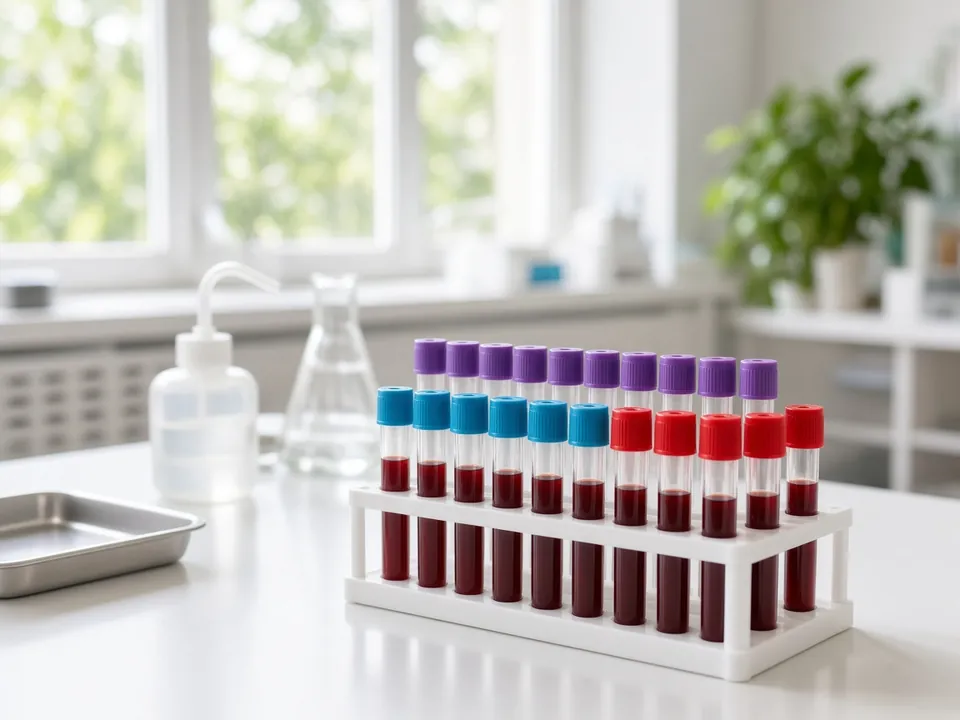
Blood count. Testosterone raises red blood cells. Too many makes blood sluggish and may raise clot risk. This is the most common reason doses must be lowered.
PSA and prostate exam, as for any man of screening age.
Testosterone level, to keep it in the normal range and not above.
Sleep apnea, which should be tested and treated first.
As a cardiologist I add one caution of my own: the reassuring heart data apply to normal replacement doses in men with real deficiency. They do not apply to the high doses used for bodybuilding, which enlarge the heart, raise blood pressure, lower HDL cholesterol, and speed up plaque.
“This book is for education. It is not medical advice, and reading it does not make you my patient or create a doctor-patient relationship.” From the book’s medical disclaimer. Full disclaimer
ROBUST SAFETY EVIDENCE — Testosterone-treated men: hematocrit, fertility, and other monitoring; individual contraindications matter.Evidence grade (draft mapping)ARobust human trialsPart 15, Q209 · Part sources
From Longevity Unmasked by Afshine Ash Emrani, MD, FACC. Medical disclaimer. This book is for education. It is not medical advice, and reading it does not make you my patient or create a doctor-patient relationship. Nothing here is meant to diagnose, treat, cure, or prevent any disease. Medicine is personal: a test, drug, supplement, or exercise plan that helps one person can harm another. Do not start, stop, or change any medication or treatment because of something you read in these pages. Talk with a licensed clinician who knows your history first. If you think you are having a medical emergency, call 911. The author disclaims responsibility for any loss or harm arising from use of the information in this book.