
Question 224 of 433
Which cancer screenings are proven to save lives?
The short answer
Established screening includes colorectal, breast, cervical, and eligible high-risk lung screening. The right test, interval, and stopping age depend on the guideline and your circumstances.
Colorectal: average-risk screening commonly starts at 45. Family history, symptoms, or hereditary syndromes can change the schedule.
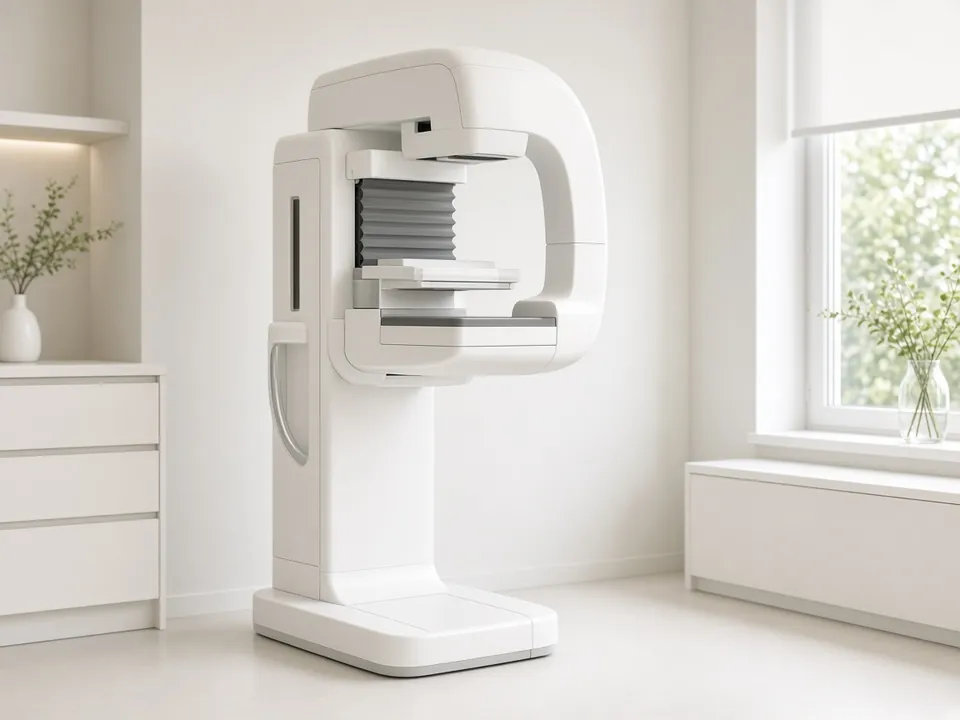
Breast: mammography commonly starts at 40; frequency and continuation depend on age, risk, health, and the guideline used.
Cervical: organizations differ on starting age and whether the initial test is cytology or primary HPV testing. Follow one current pathway with your clinician; do not apply a single age band to every test or history. Certain self-collected HPV options are now available.
Lung: annual low-dose CT is recommended for eligible people with a substantial smoking history. Age, pack-years, years since quitting, ability to undergo treatment, and the guideline or insurer matter.
Prostate screening is a shared decision. A changing skin lesion needs evaluation; routine whole-body skin screening for every asymptomatic adult does not have the same demonstrated mortality evidence as these established programs.
An abnormal result requires follow-up. Screening is for people without relevant symptoms; symptoms need diagnostic assessment even if a screening test was recently reassuring.
“This book is for education. It is not medical advice, and reading it does not make you my patient or create a doctor-patient relationship.” From the book’s medical disclaimer. Full disclaimer
ROBUST / GUIDELINE — Eligible populations: established cancer screening; age, interval, risk, and stopping decisions differ.Evidence grade (draft mapping)ARobust human trialsPart 16, Q224 · Part sources
From Longevity Unmasked by Afshine Ash Emrani, MD, FACC. Medical disclaimer. This book is for education. It is not medical advice, and reading it does not make you my patient or create a doctor-patient relationship. Nothing here is meant to diagnose, treat, cure, or prevent any disease. Medicine is personal: a test, drug, supplement, or exercise plan that helps one person can harm another. Do not start, stop, or change any medication or treatment because of something you read in these pages. Talk with a licensed clinician who knows your history first. If you think you are having a medical emergency, call 911. The author disclaims responsibility for any loss or harm arising from use of the information in this book.