
Question 165 of 433
Do hearing aids and eyeglasses really protect the brain?
The short answer
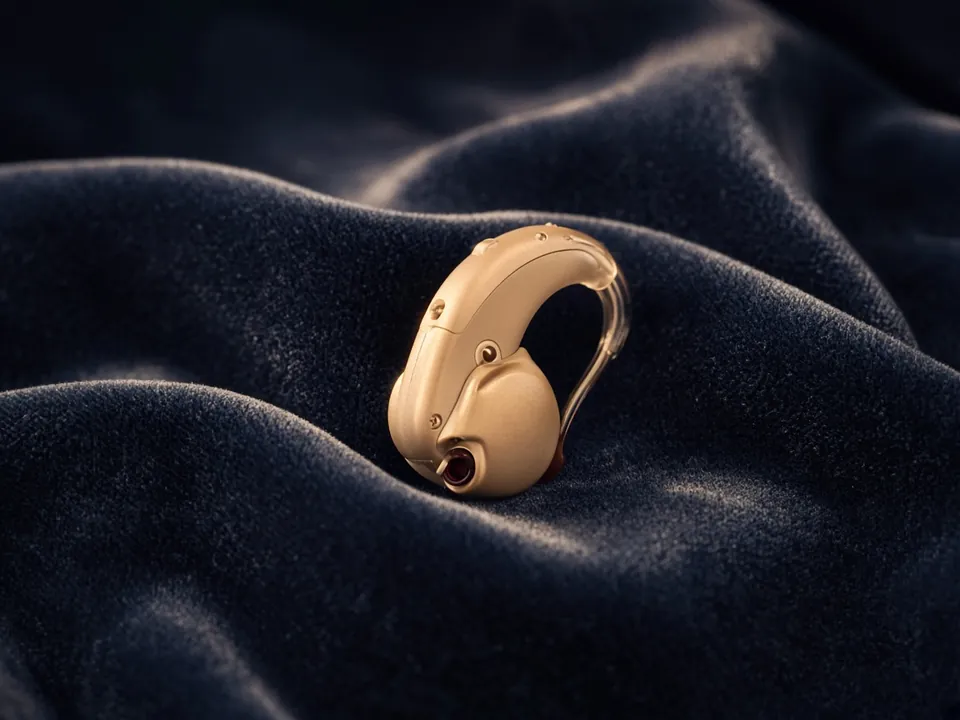
Probably. In the higher-risk group of a major trial, treating hearing loss slowed mental decline by nearly half over three years, though the effect across all participants was not statistically significant. Cataract surgery has been linked to about 30 percent lower dementia risk.
When you cannot hear or see well, you withdraw from conversation and activity, the brain receives less stimulation, and it spends its effort decoding instead of remembering. Hearing aids are now sold over the counter in the United States for mild to moderate loss. If hearing or vision problems are making conversation difficult, an assessment is worthwhile for daily life even while the dementia question remains unsettled.
“This book is for education. It is not medical advice, and reading it does not make you my patient or create a doctor-patient relationship.” From the book’s medical disclaimer. Full disclaimer
HUMAN TRIAL with subgroup differences for hearing treatment; OBSERVATIONAL for cataract surgery and dementia risk.Evidence grade (draft mapping)CObservationalPart 12, Q165 · Part sources
From Longevity Unmasked by Afshine Ash Emrani, MD, FACC. Medical disclaimer. This book is for education. It is not medical advice, and reading it does not make you my patient or create a doctor-patient relationship. Nothing here is meant to diagnose, treat, cure, or prevent any disease. Medicine is personal: a test, drug, supplement, or exercise plan that helps one person can harm another. Do not start, stop, or change any medication or treatment because of something you read in these pages. Talk with a licensed clinician who knows your history first. If you think you are having a medical emergency, call 911. The author disclaims responsibility for any loss or harm arising from use of the information in this book.