
Question 100 of 433
What actually improves sleep?
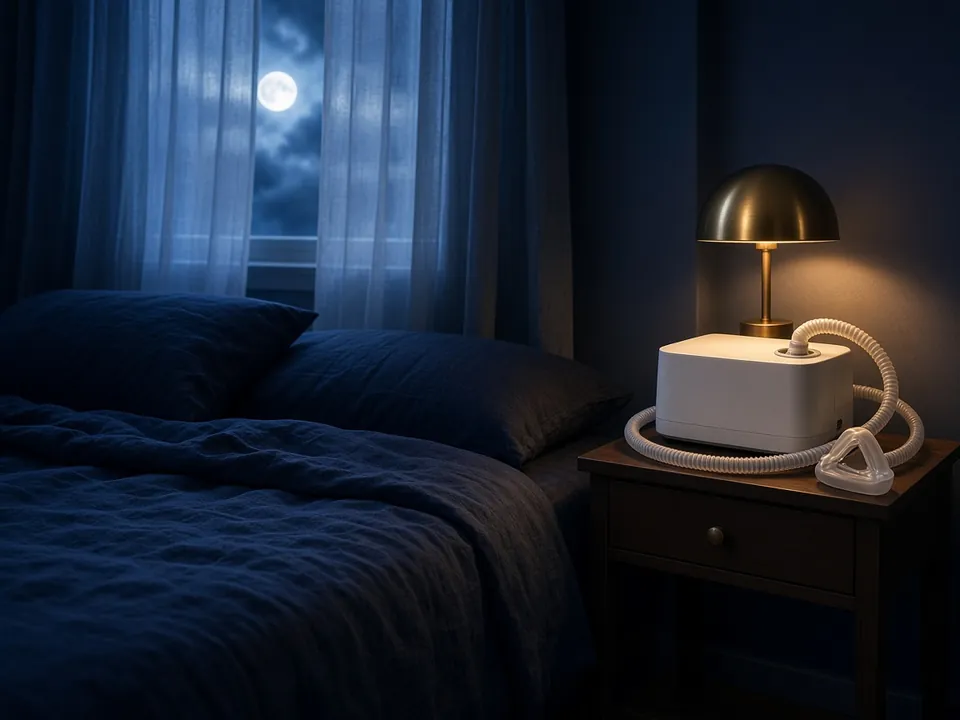
The short answer
Consistent timing, morning light, a cool dark room, less alcohol and late caffeine, and for chronic insomnia, a specific therapy called CBT-I.
Keep a fixed wake time.
Get outdoor light early in the day.
Stop caffeine by noon if you are sensitive. Its effects last many hours.
Skip alcohol within three hours of bed. It sedates you, then wrecks the second half of the night.
Keep the bedroom cool, dark, and free of screens.
If you lie awake for 20 minutes, get up and read somewhere else until sleepy.
Cognitive behavioral therapy for insomnia is the first-line treatment. It works better than pills over the long term and is available through apps.
“This book is for education. It is not medical advice, and reading it does not make you my patient or create a doctor-patient relationship.” From the book’s medical disclaimer. Full disclaimer
ROBUST HUMAN TRIALS for CBT-I in chronic insomnia; supporting sleep habits have varying evidence.Evidence grade (draft mapping)ARobust human trialsPart 7, Q100 · Part sources
From Longevity Unmasked by Afshine Ash Emrani, MD, FACC. Medical disclaimer. This book is for education. It is not medical advice, and reading it does not make you my patient or create a doctor-patient relationship. Nothing here is meant to diagnose, treat, cure, or prevent any disease. Medicine is personal: a test, drug, supplement, or exercise plan that helps one person can harm another. Do not start, stop, or change any medication or treatment because of something you read in these pages. Talk with a licensed clinician who knows your history first. If you think you are having a medical emergency, call 911. The author disclaims responsibility for any loss or harm arising from use of the information in this book.