
Question 1 of 433
What does “dying of old age” leave unexplained?
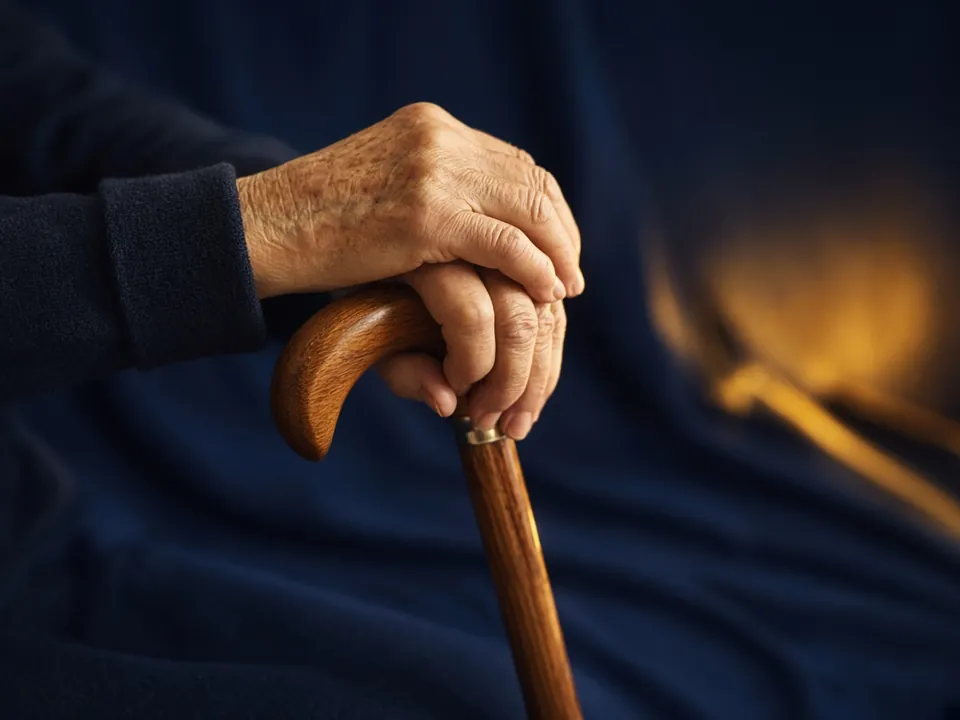
The short answer
Age alone rarely explains the full medical story. Identifying disease and frailty can reveal opportunities for care, although no program makes death avoidable.
Heart and blood vessel disease, cancer, dementia, infections, and metabolic disease account for much of the illness of later life. Peter Attia’s Four Horsemen framework draws attention to several major groups. It is a useful organizing device, not an exhaustive classification of how people die.
Atherosclerosis and many neurodegenerative changes can develop long before symptoms. That long interval can create opportunities to lower risk. It can also contain uncertainty: not every detectable change progresses, and not every early test improves outcomes.
The aim is to prevent avoidable disease and preserve function. When treatment can no longer do that, good care still includes relief, companionship, and respect for the person’s wishes.
“This book is for education. It is not medical advice, and reading it does not make you my patient or create a doctor-patient relationship.” From the book’s medical disclaimer. Full disclaimer
ESTABLISHED CLINICAL KNOWLEDGE — Older adults: disease and frailty contribute to mortality; prevention cannot eliminate death.Evidence grade (draft mapping)EEstablished clinical knowledgePart 1, Q1 · Part sources
From Longevity Unmasked by Afshine Ash Emrani, MD, FACC. Medical disclaimer. This book is for education. It is not medical advice, and reading it does not make you my patient or create a doctor-patient relationship. Nothing here is meant to diagnose, treat, cure, or prevent any disease. Medicine is personal: a test, drug, supplement, or exercise plan that helps one person can harm another. Do not start, stop, or change any medication or treatment because of something you read in these pages. Talk with a licensed clinician who knows your history first. If you think you are having a medical emergency, call 911. The author disclaims responsibility for any loss or harm arising from use of the information in this book.